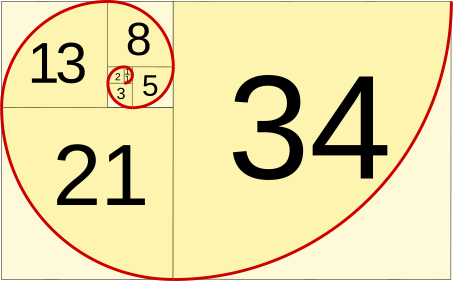
 For Fibonacci we start with x 0 = 0 and x 1 = 1. And here is a surprise. When we take any two successive (one after the other) Fibonacci Numbers, their ratio is very close to the Golden Ratio " φ " which is approximately 1.618034... The Golden Ratio is found in art, architecture, and nature.
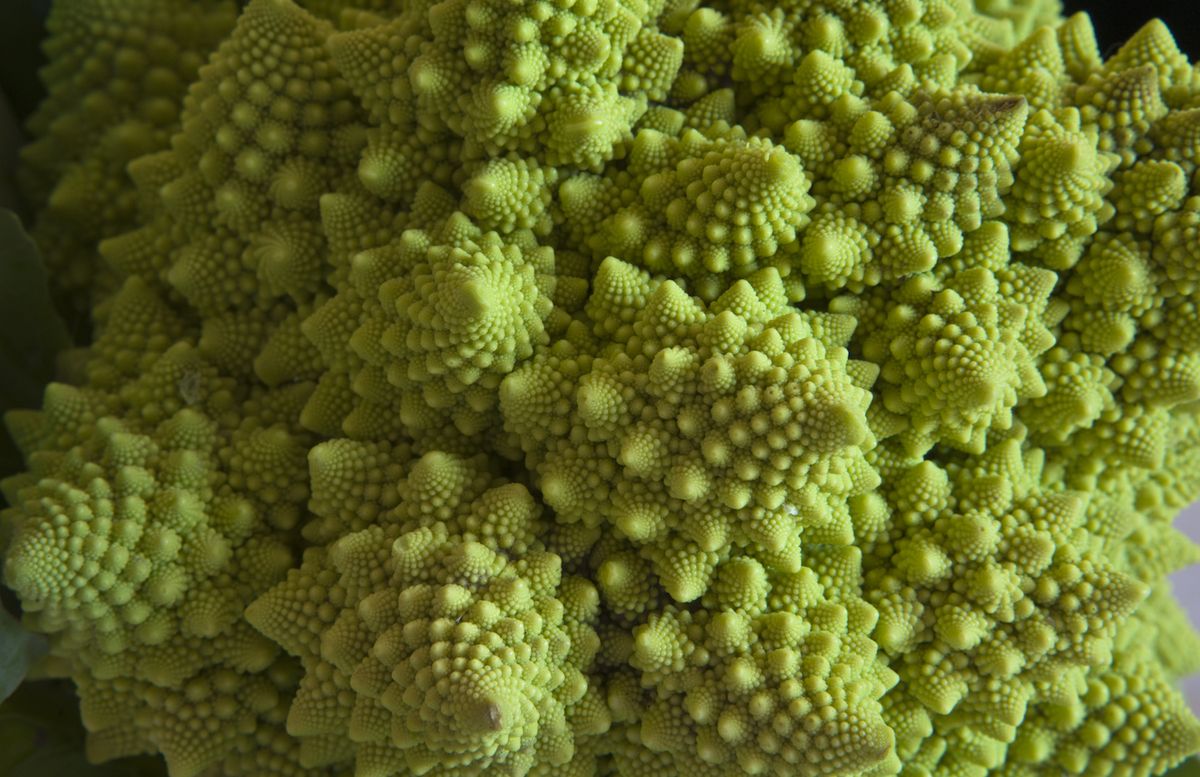 Learn about the origins of the Fibonacci sequence, its relationship with the golden ratio and common misconceptions about its significance in nature and architecture.